
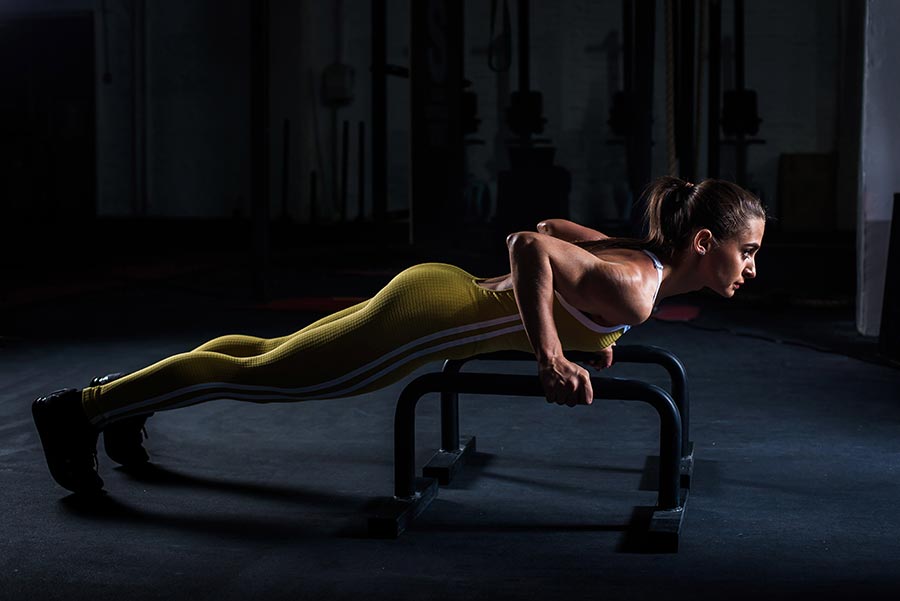

Planche

Mastering the Planche: Strength, Technique, and Progression

Related Equipment:

Parallettes

Resistance bands

Wrist splices

Why is Planche so hard ?

The planche is one of the hardest moves in Calisthenics and is considered an advanced / elite move, it is extremely hard because it requires a combination of immense strength, balance, and body control. Unlike regular push-ups or planks, the planche demands that you hold your entire body parallel to the ground using only your hands, which places intense strain on your shoulders, core, and wrists. It also requires strong scapular protraction, straight-arm strength, and exceptional muscle coordination to maintain stability. Since most people lack these specific strength and mobility requirements, achieving a full planche takes months or even years of dedicated training and progression, and if you’re willing to start your planche journey ill teach you how in this article.

Which muscles does Planche work ?

The planche is a full-body static strength move that seriously tests your strength and control. It mainly works your shoulders, chest, arms, and core. Your delts do most of the heavy lifting, while your chest and triceps help keep you stable. Your core—especially your abs and obliques—has to stay tight to keep your body straight. On top of that, your scapular muscles (like the serratus anterior and traps) keep your shoulders locked in place, and even your wrists and forearms take on a lot of stress. Since so many muscles are involved, it takes time and progressive training to build the strength and control needed to hold a solid planche.

How to Do a Planche (Step-by-Step Guide)

The planche is one of the hardest bodyweight exercises out there, and it takes serious strength, balance, and patience to master. If you’re just starting out, don’t worry—no one gets it overnight. The key is to build up gradually with progressions. Here’s how to work your way up to a full planche:

1. Strengthen the Right Muscles

Before even attempting a planche, you need to build strength in your shoulders, core, wrists, and arms. Exercises like pseudo planche push-ups, handstand holds, L-sits, and scapula push-ups will help you develop the control and endurance needed for a proper planche.

2. Master the Planche Progressions

Jumping straight into a full planche won’t work—you need to go through progressions. Here’s a good path to follow from easier to harder:

– Planche leans – holding a push-up position with the shoulders leaning forward of the hands.


– Tucked Planche – Keep your knees close to your chest and balance on your hands. This builds shoulder and core stability.

– Advanced Tuck Planche – Extend your back more, moving toward a horizontal position while keeping your legs tucked.

– Straddle Planche – Spread your legs apart to make balancing easier while keeping your body straight.

– Full Planche – Bring your legs together and hold your body completely parallel to the ground.

3. Work on Straight-Arm Strength

A common mistake is relying too much on bent arms for support. A true planche requires straight-arm strength, which means your elbows should be locked out the entire time. Train this with planche leans, straight-arm plank holds, and RESISTANCE BAND-assisted planches.

4. Improve Wrist and Shoulder Mobility

Your wrists and shoulders take a lot of stress in a planche, so it’s important to strengthen and stretch them regularly. Wrist flexor and extensor stretches, shoulder dislocates, and WRIST BANDS drills can help prevent injuries.

5. Be Patient and Stay Consistent

The planche takes months or even years to master, depending on your starting point. The key is consistency—train it at least 3–4 times a week while giving your muscles enough

NOTE

Keep Going & Stay Consistent!

The planche takes time, but every rep gets you closer. Stay patient, keep training, and enjoy the process. You got this!
For personal training contact me on: Plug social media / email

Shopping Cart
Scroll to Top